As the global procurement landscape evolves, ASRS systems are becoming increasingly vital. These automated storage and retrieval systems enhance efficiency and accuracy in warehousing. Dr. Emily Chen, an expert in logistics automation, emphasizes, "Investing in ASRS technology is not just a choice; it's a necessity for competitive advantage."
The landscape of ASRS systems continues to adapt to the needs of various industries. With automation at the forefront, businesses are urged to rethink their procurement strategies. Yet, the pressure to choose the right ASRS can lead to costly mistakes. Not all systems are perfect. Some fail to integrate seamlessly with existing processes. Companies must carefully assess their unique needs before making a decision.
Moreover, the future of ASRS systems raises questions about scalability and flexibility. Will your ASRS system grow with your business? Experts warn that a wrongly chosen system can hinder growth. As procurement practices shift, understanding how ASRS systems align with business goals is essential. Careful evaluation is key to leveraging their full potential.
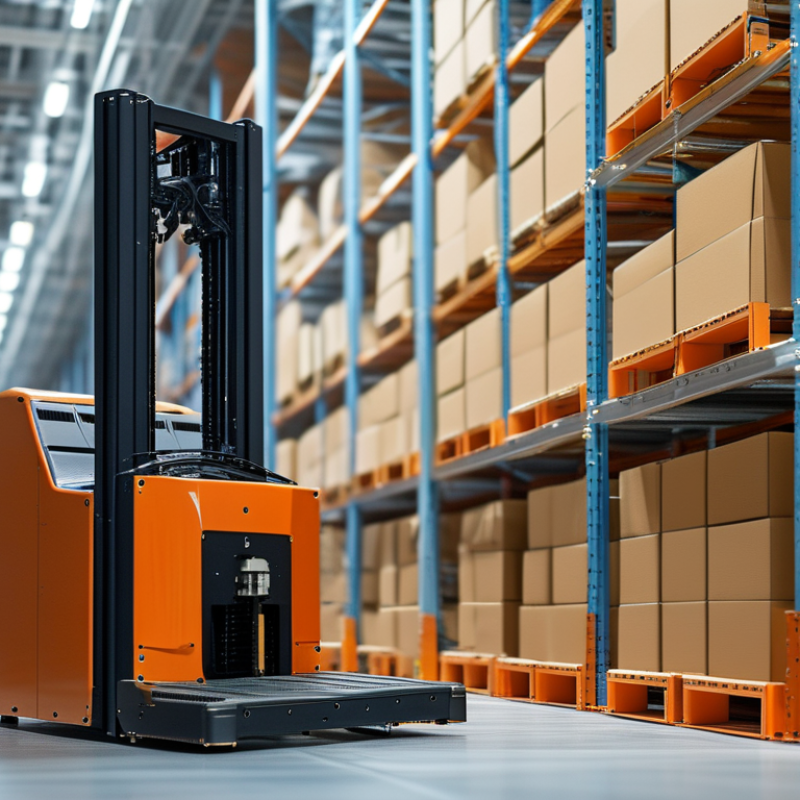
Automated Storage and Retrieval Systems (ASRS) play a critical role in global procurement. These systems optimize inventory management and improve efficiency in warehouses. They automate the process of storing and retrieving products, reducing the time and effort required for manual handling. This technology empowers companies to meet increasing demands and streamline their supply chains.
However, not all ASRS systems are created equal. Businesses must assess their specific needs, considering factors like space, speed, and flexibility. A one-size-fits-all approach often leads to inefficiencies. Companies should pay attention to their growth projections, as poor scalability can hinder operations. Implementing ASRS systems demands careful planning and a clear understanding of operational goals.
Furthermore, the integration of ASRS with existing systems can pose challenges. Compatibility issues may arise, leading to disruptions. Organizations must engage in thorough testing and training to ensure smooth operations. As the landscape of global procurement evolves, the importance of reliable ASRS systems cannot be overlooked. They represent an investment in future-readiness, albeit one that requires thoughtful consideration.
When selecting Automated Storage and Retrieval Systems (ASRS) for procurement, consider scalability. Your needs may change over time. A scalable system can adapt to growing inventory demands or changes in product lines. Focus on modular designs that allow easy upgrades. This flexibility will ensure your investment remains valuable.
Another key feature is integration capability. ASRS should seamlessly connect with existing warehouse management systems. This ensures real-time data transfer and efficient operation. Look for technology that can sync with various software solutions. Compatibility is crucial in avoiding operational disruptions.
Monitoring and maintenance features also hold significance. A reliable ASRS includes diagnostic tools for maintenance. These features allow for proactive troubleshooting. Enhanced reporting capabilities can provide insights into system performance. By examining these details, organizations can avoid costly downtime and maintain smooth operations.
In 2026, automated storage and retrieval systems (ASRS) are critical for global supply chains. Companies seek efficiency, accuracy, and speed. The right ASRS can significantly streamline procurement processes. These systems minimize manual handling, reducing errors and labor costs. They also enhance inventory management, ensuring stock levels meet demand. Yet, some industries face challenges adapting to new technologies.
Understanding provider capabilities is vital. Top ASRS systems should offer robust integration options with existing warehouse management software. Companies must evaluate scalability, especially as their operations expand. A system that works today may need upgrades tomorrow. Observing user experiences provides valuable insights into reliability and support.
While automation offers significant advantages, it requires careful planning. Implementing ASRS involves upfront investment and potential downtime during setup. Companies should weigh these factors against long-term benefits. Engaging with providers about specific industry needs is essential. Customized solutions can address unique challenges while maximizing efficiency. Regular reviews of performance metrics ensure the system adapts to evolving market demands.
This chart represents the performance metrics of various ASRS systems, focusing on key areas such as efficiency, cost savings, scalability, maintenance, and speed. The data suggests strong capabilities across the board for the best systems available in 2026.
Automated Storage and Retrieval Systems (ASRS) are transforming procurement logistics. Case studies reveal significant efficiency gains in warehouse management. For instance, a leading research report indicated that ASRS can improve inventory accuracy by up to 99.9%. Such precision is vital for organizations facing fluctuating global supply chains.
One notable implementation involved a major retail chain. By integrating ASRS, they reduced picking times by 50%. This shift allowed staff to focus on higher-value tasks. However, challenges arose during the initial integration phase. Staff needed training to adapt to new technologies, indicating that proper onboarding is critical for success.
Another study highlighted a manufacturing firm that faced logistical issues. They experienced frequent stockouts and delays. After installing ASRS, the company improved order fulfillment rates significantly. Nevertheless, they noted the importance of continuous monitoring to maintain system efficiency. Procurement teams must remain agile and willing to make adjustments to optimize performance over time.
Automated Storage and Retrieval Systems (ASRS) are critical in enhancing procurement efficiency. A recent report from the Warehousing and Logistics Association indicates that ASRS can boost storage capacities by up to 60%. This increase significantly reduces the time spent locating items, streamlining operations in warehouses and distribution centers. Companies can lower their operational costs while simultaneously improving order accuracy and customer satisfaction.
The future of ASRS technology is promising. Advances in artificial intelligence and machine learning are expected to optimize inventory management. According to a study by the Logistics Management Institute, 75% of organizations plan to integrate AI into their ASRS within the next five years. This shift means greater adaptability to fluctuating market demands, a necessary factor for successful global procurement. As more businesses adopt smart technologies, they may face challenges. Ensuring employee training and managing technological integration can be daunting.
Consider investing in scalable ASRS solutions. These systems should evolve with your business needs. Evaluate your current inventory management workflow. Small changes can yield significant efficiency gains. Regular software updates are essential for maintaining system performance. Managers must also monitor employee feedback to identify areas needing improvement.
| System Type | Throughput (items/hour) | Storage Capacity (cubic meters) | Integration Ease (1-10) | Average Cost (USD) |
|---|---|---|---|---|
| Unit Load ASRS | 300 | 50 | 8 | 100,000 |
| Mini Load ASRS | 500 | 30 | 9 | 75,000 |
| Shuttle ASRS | 400 | 60 | 7 | 120,000 |
| Vertical Lift Module | 200 | 40 | 6 | 90,000 |
| Automated Pallet Storage | 150 | 80 | 5 | 200,000 |
utomated Storage and Retrieval System (ASRS)?
ASRS can enhance inventory accuracy by up to 99.9%, vital for managing supply chain fluctuations.
Businesses can reduce picking times by 50% and increase storage capacities by 60% with ASRS.
Staff training is necessary to adapt to new technologies, indicating onboarding is critical for success.
Continuous monitoring ensures system efficiency and allows teams to adjust operations as needed over time.
Scalable solutions can adapt to evolving business needs, which is essential for long-term success.
AI can optimize inventory management, making ASRS more adaptable to changing market demands.
Regular software updates are crucial for maintaining system performance and overall efficiency.
Companies should assess their current inventory management workflows for opportunities for significant efficiency gains.
Monitoring feedback helps identify areas needing improvement, ensuring staff can work effectively with the new system.
The article "2026 Best ASRS Systems for Global Procurement Needs" provides a comprehensive overview of Automated Storage and Retrieval Systems (ASRS) and their critical role in enhancing global procurement operations. It emphasizes the importance of selecting the right ASRS systems by detailing key features to consider, such as efficiency, scalability, and integration capabilities.
Moreover, the article highlights top ASRS system providers that cater to diverse supply chain requirements in 2026, along with case studies showcasing successful implementations that drive procurement effectiveness. Additionally, it addresses future trends in ASRS technology, underscoring how advancements will continue to improve procurement efficiency and operational performance across industries.

Kimsuk Steel