Engineered structural steel storage structures optimized for heavy logistics transshipment hubs, high humidity environments, and high-frequency automated crane routing.
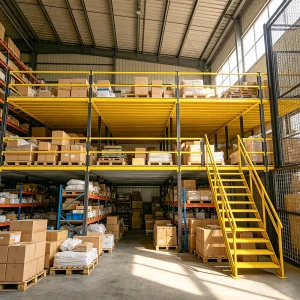
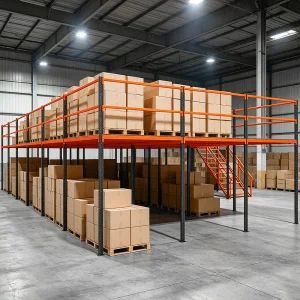
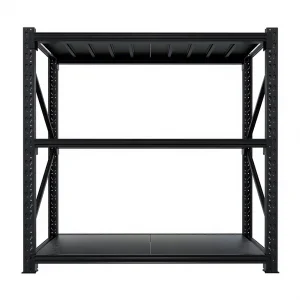
An engineering analysis of structural steel pallet designs deployed across the Port of Busan and its cold chain, maritime, and automotive supply chains.
As the world’s sixth busiest port and the primary transshipment node of Northeast Asia, the **Port of Busan** handles over 75% of South Korea’s container traffic. This massive cargo volume requires highly durable warehouse storage equipment that can support rapid cargo rotation. Unlike wooden pallets, which break down under high stresses, absorb moisture, and pose fire hazards, and plastic pallets, which flex under extreme loads and degrade in ultraviolet exposure, modern **structural steel pallets** represent the optimal option for heavy industrial racking systems.
Busan's logistics infrastructure is shifting toward deep-freeze storage and high-load automated retrieval warehouses. In coastal environments, high humidity and salt concentrations accelerate chemical corrosion in steel components. To prevent degradation, local logistics managers select structural steel pallets finished with high-durability hot-dip galvanization (HDG) or architectural-grade epoxy powder coatings. This prevents rust formation, ensures structural stability, and extends the operational lifespan of the pallets to over 15 years.
In Busan’s cold storage facilities—critical for seafood imports and agricultural distribution—temperatures regularly drop to -30°C. In these conditions, plastic pallets become brittle and prone to sudden cracks under structural load. Solid steel pallets, manufactured from high-quality Q235 or Q355 structural steel, maintain their load performance without warping or cracking. Additionally, automated warehouses in the Busan-Jinhae Free Economic Zone (BJFEZ) rely on precise structural dimensions. Steel pallets feature a zero-warp profile, which prevents jams in AS/RS shuttle lanes, minimizes sensor errors, and reduces warehouse downtime.
Modern industrial supply chains require more than just a structural base; they demand integrated, smart logistics units. The design roadmap of our steel pallets incorporates several key technological improvements:
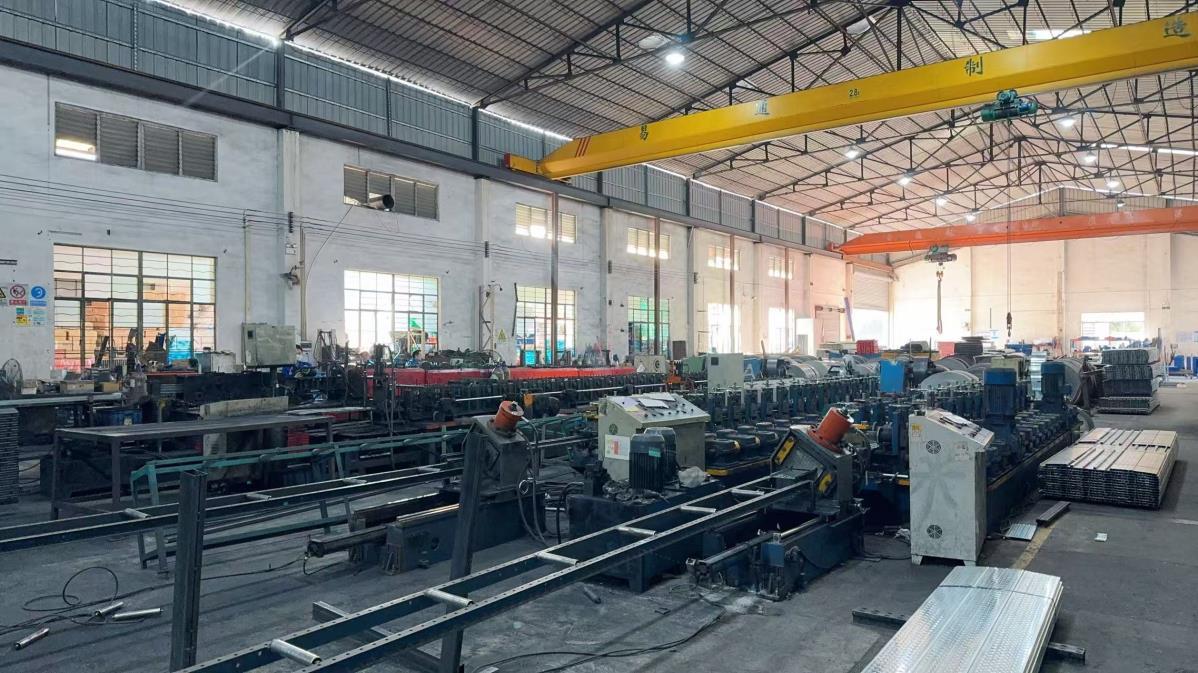
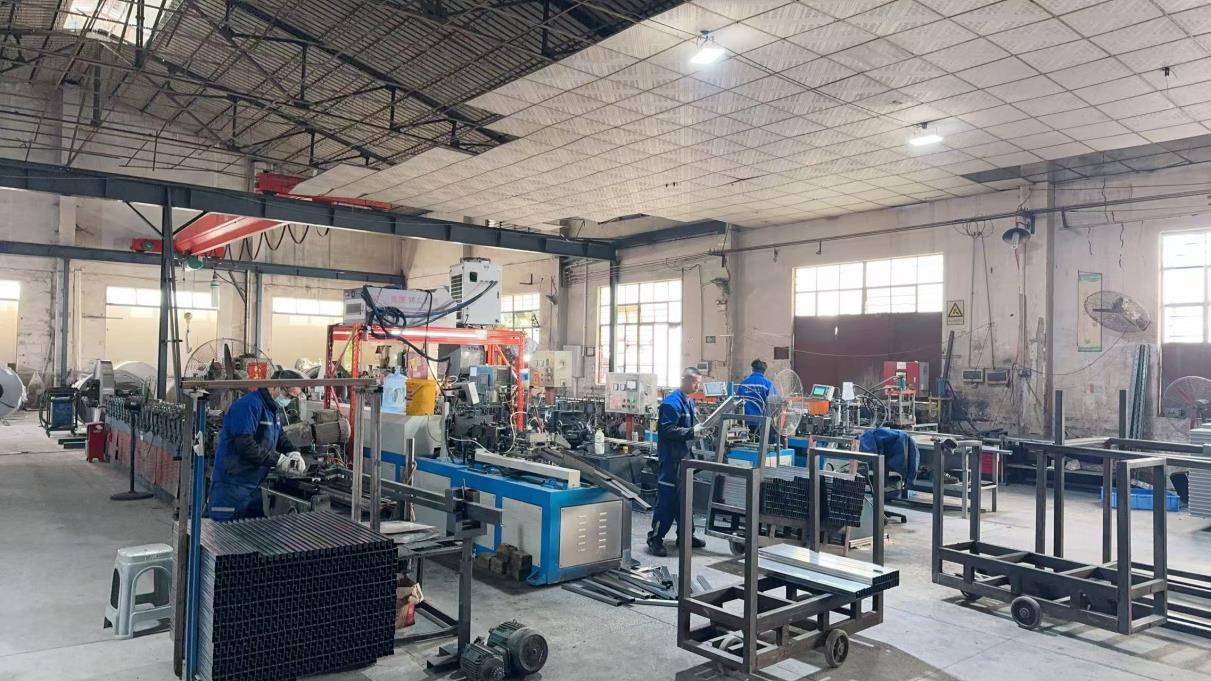
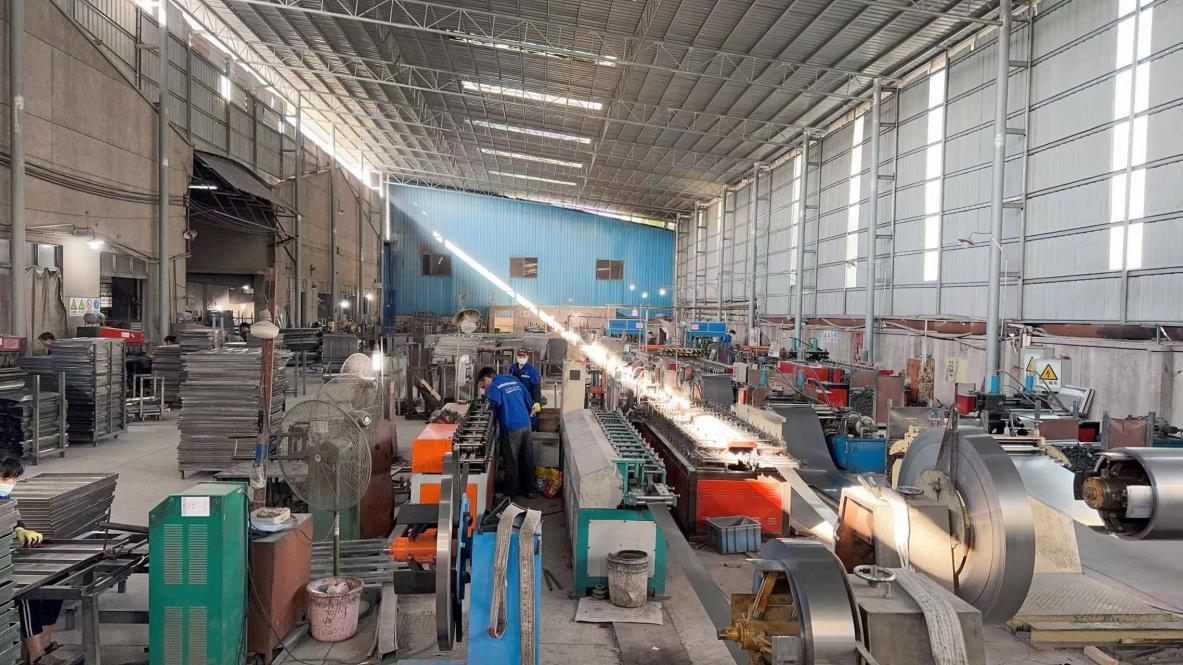
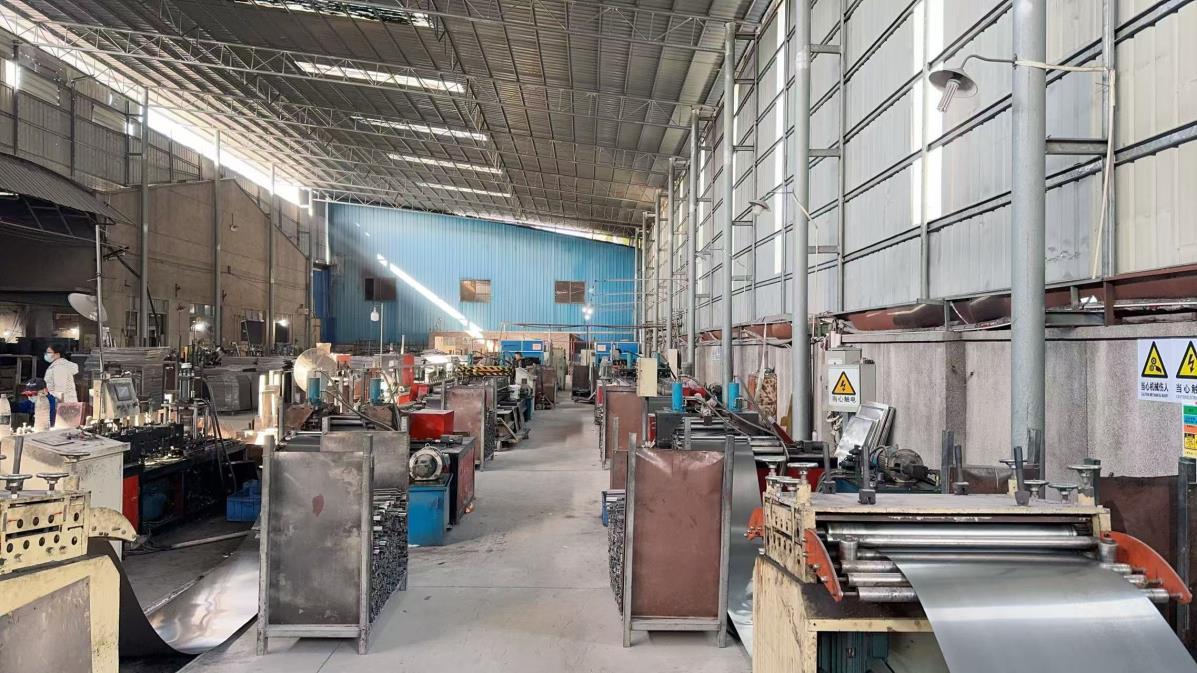
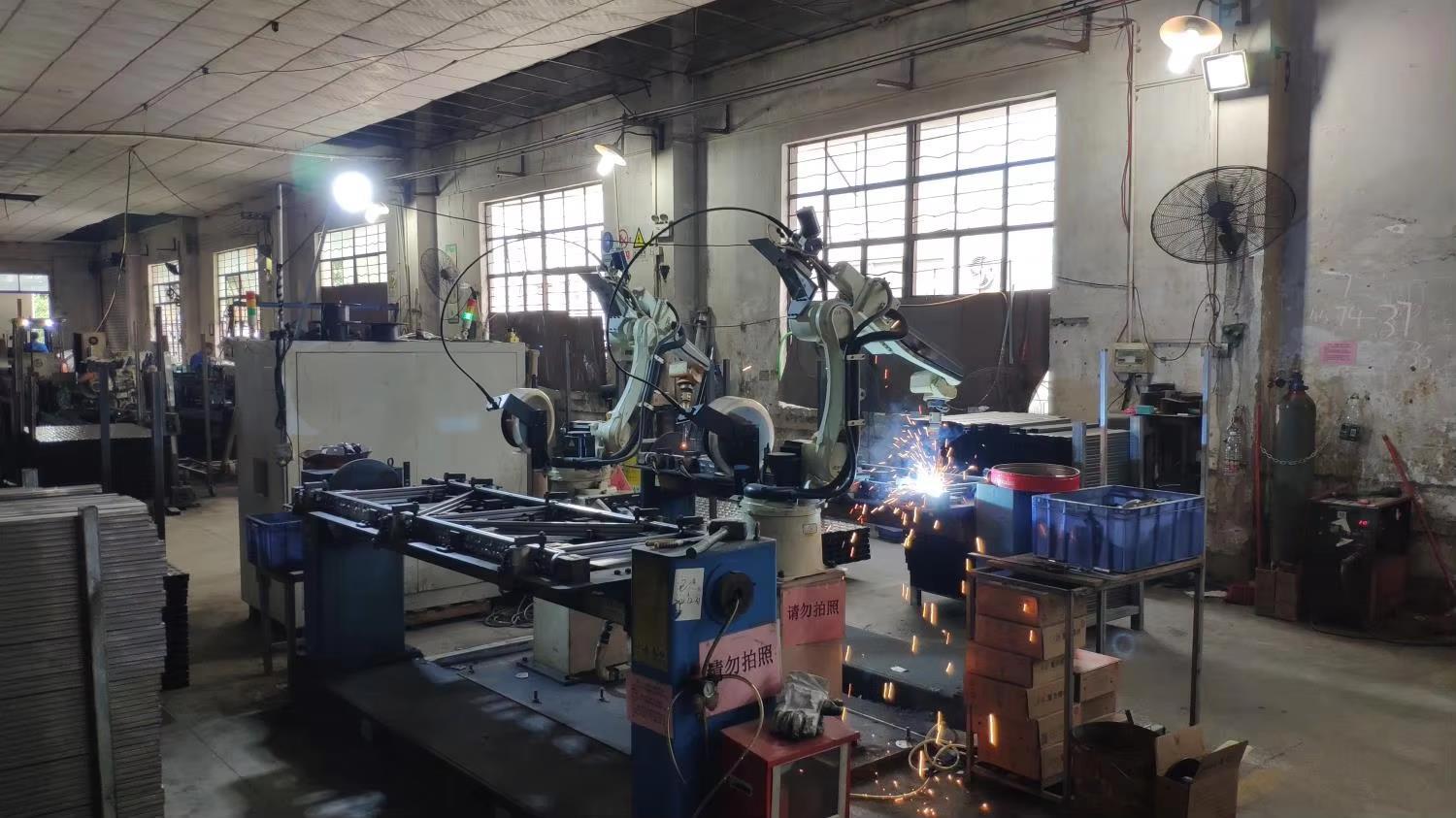
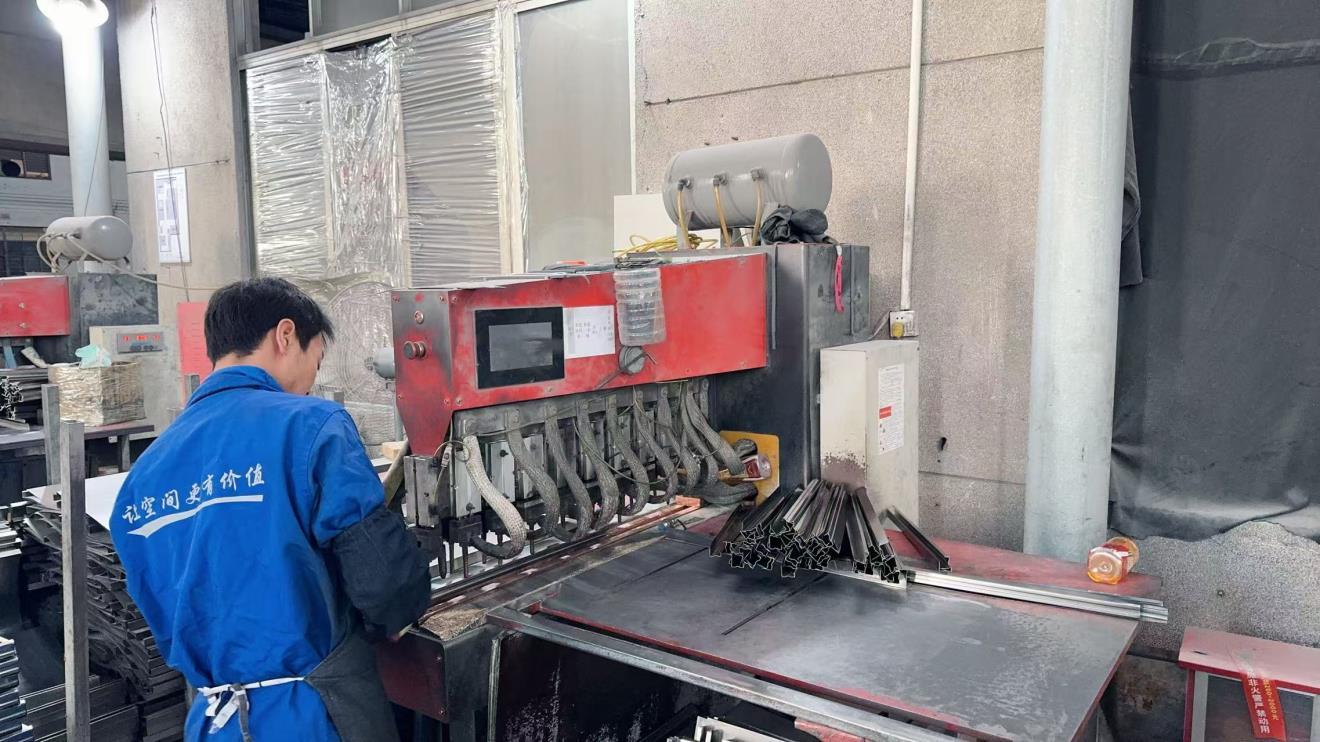
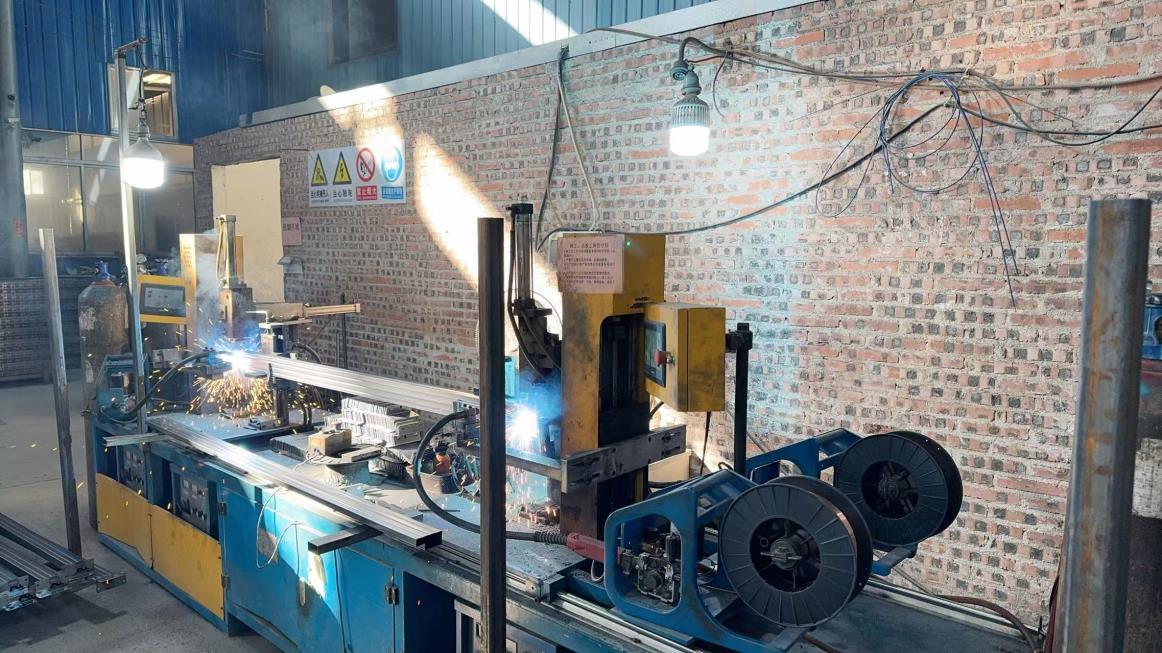
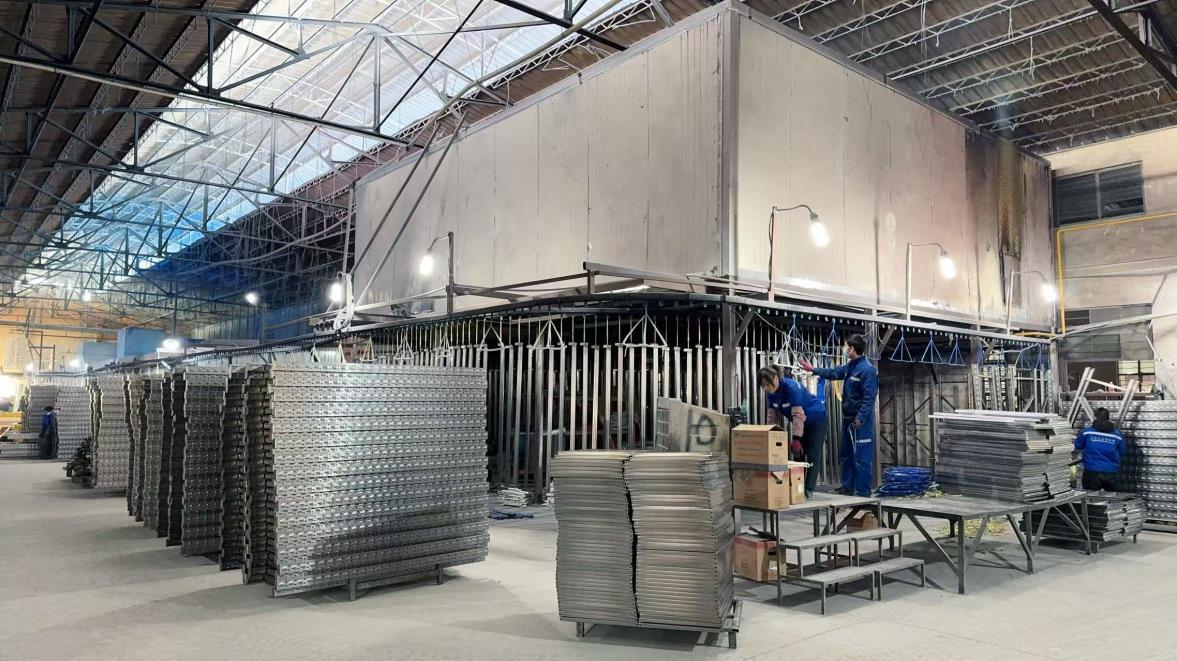
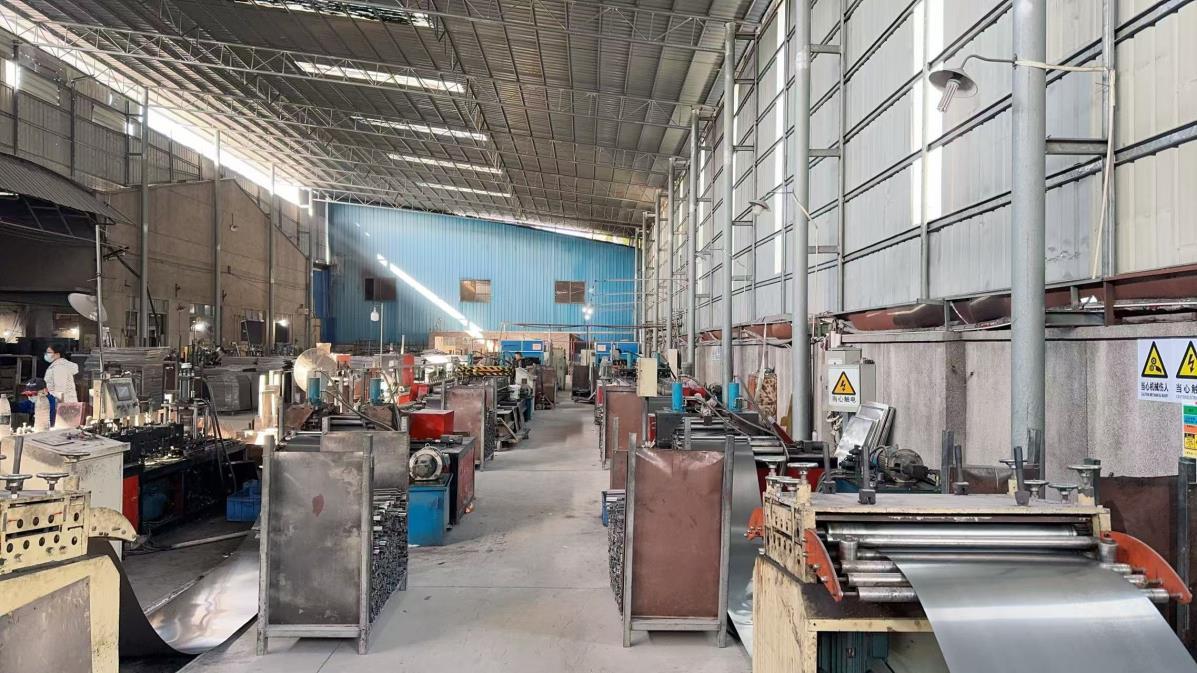
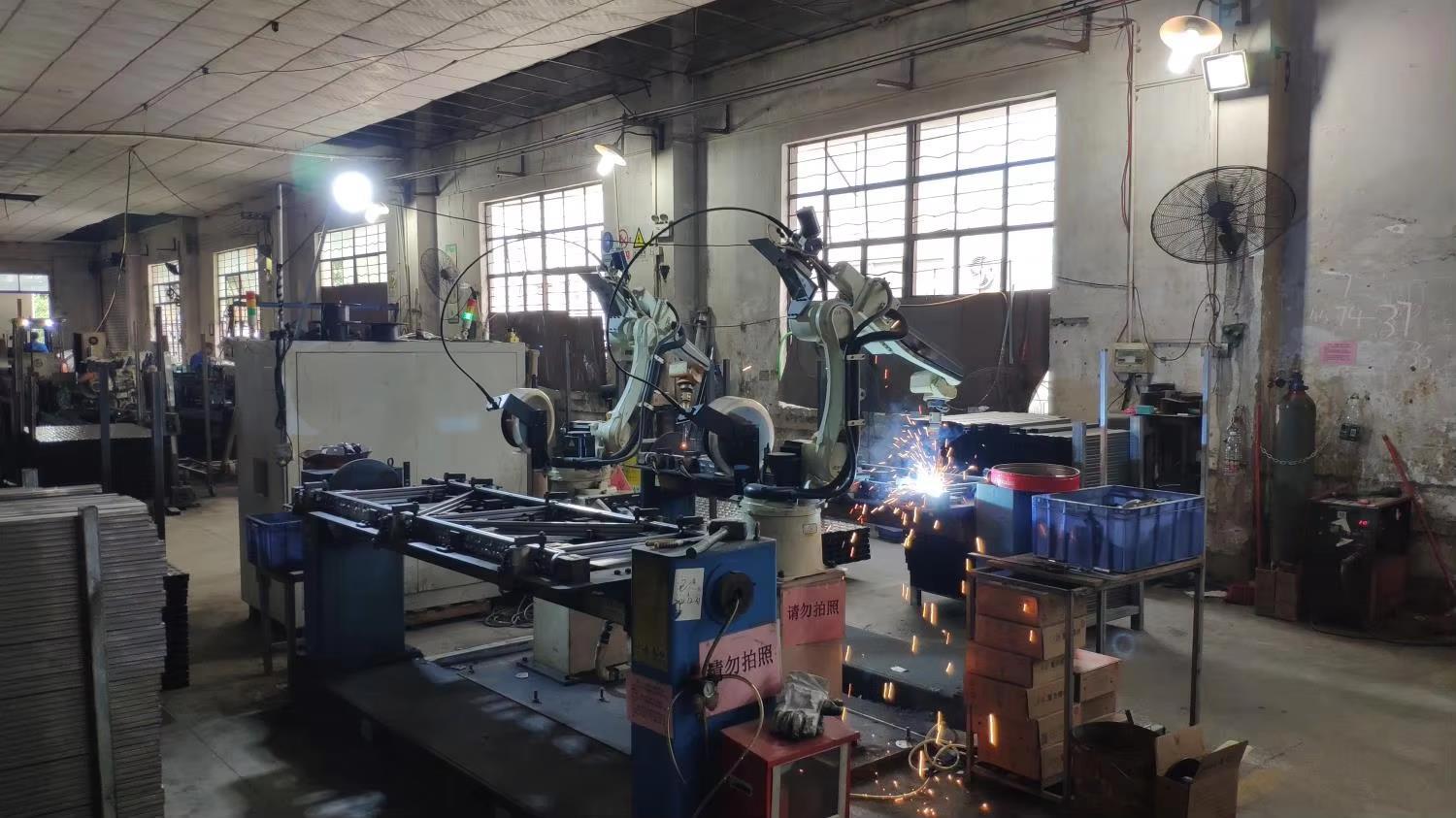
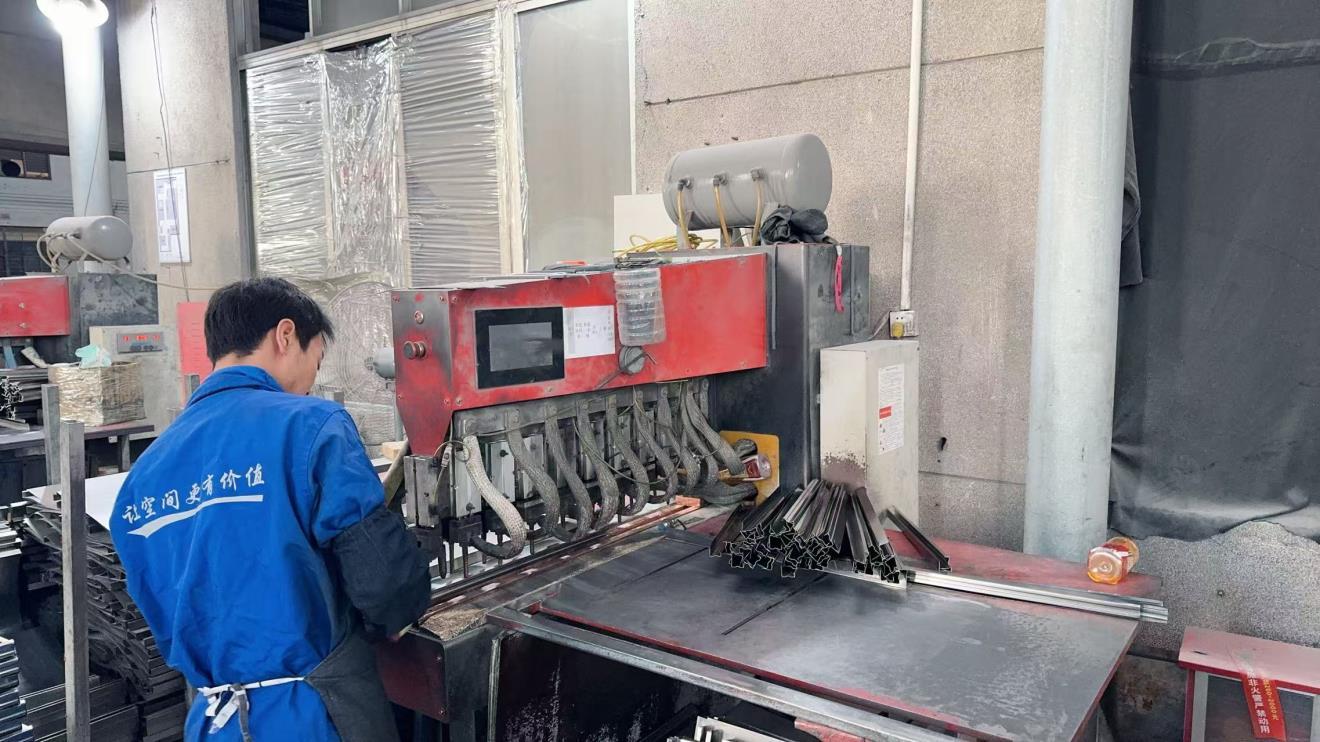
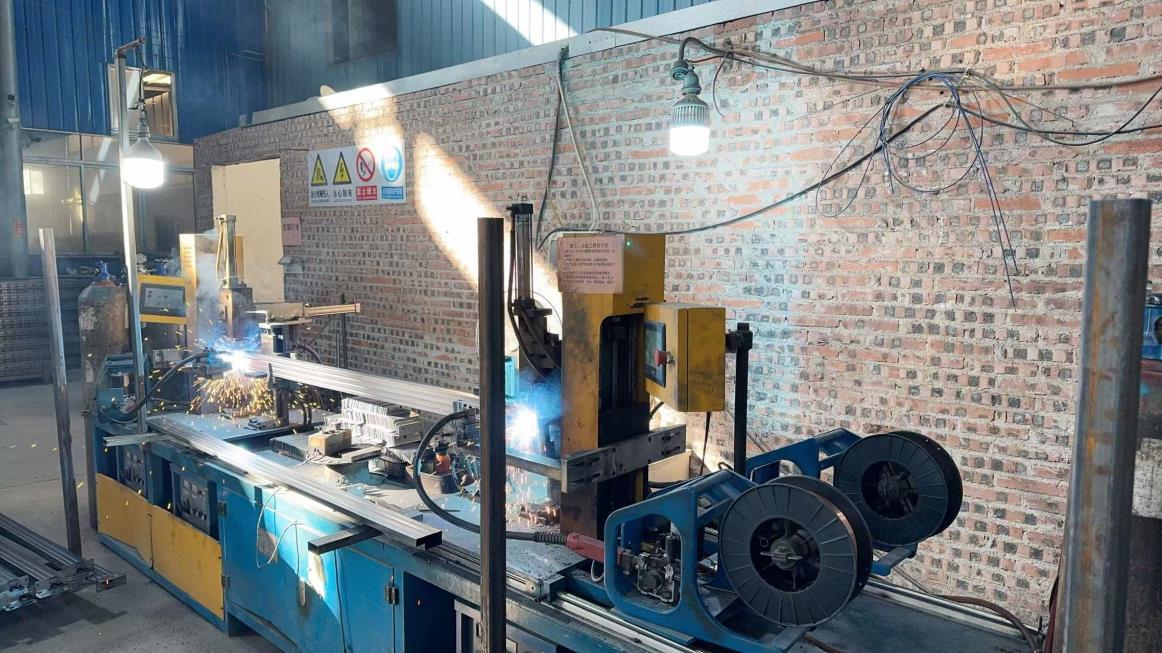
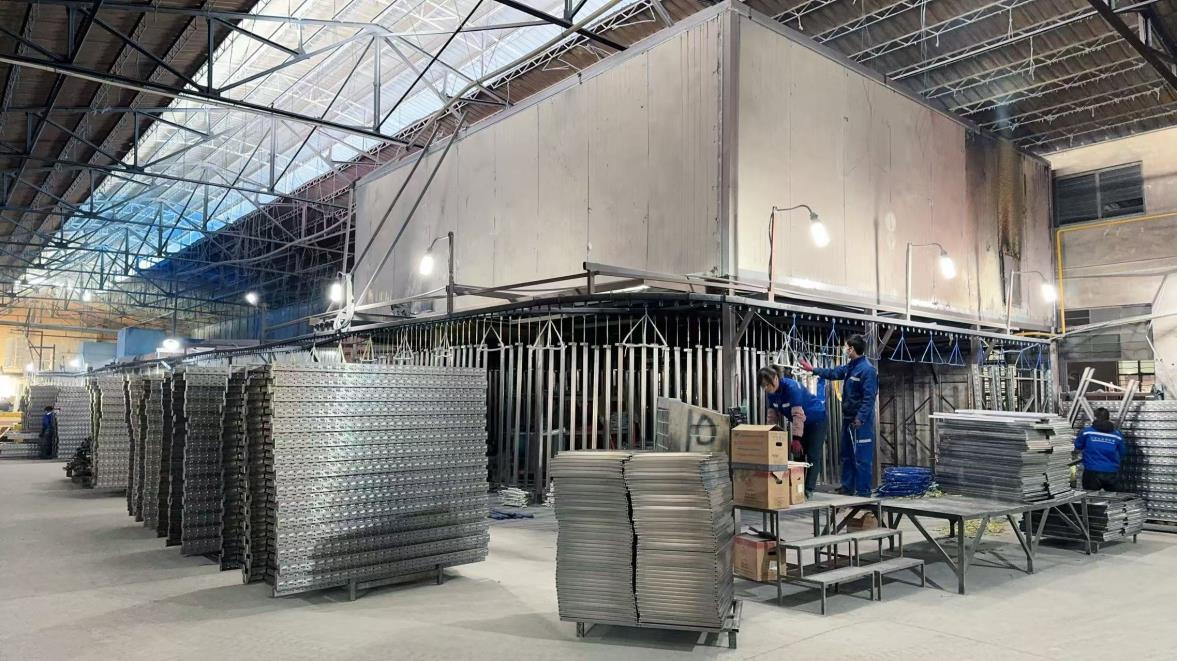
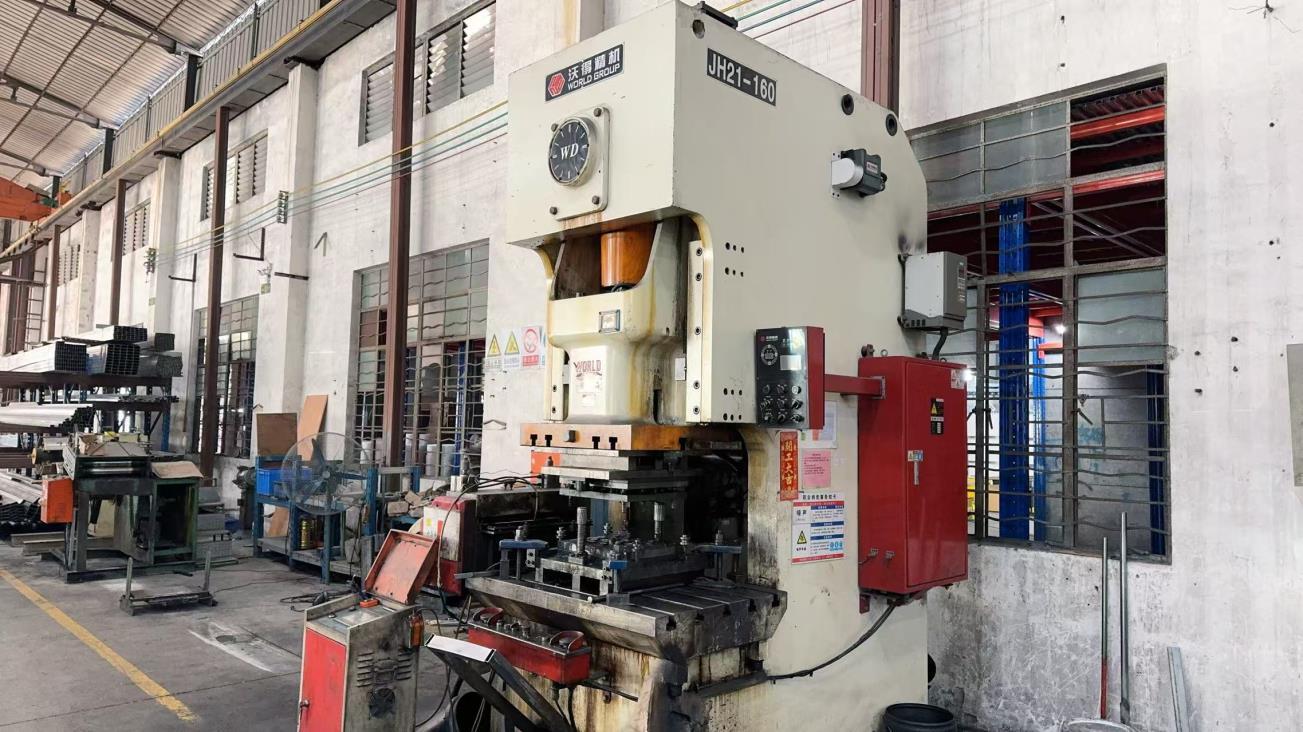
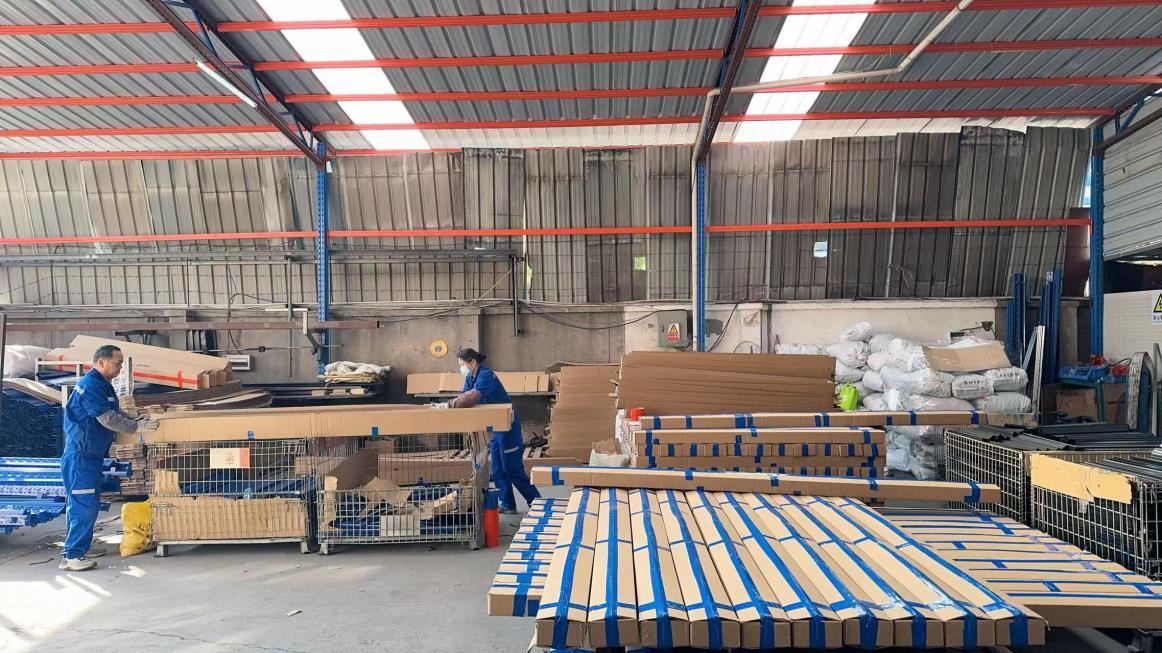
As a leading manufacturer based in South China's industrial hub, Dongguan Kimsuk Shelves Co., Ltd. offers significant supply chain advantages for clients in South Korea. Established in 2015, we operate a modern 32,000 square meter production facility equipped with high-precision manufacturing systems. Our location provides access to direct shipping lanes from Shenzhen or Guangzhou ports straight to the Port of Busan, enabling rapid shipping and reliable delivery schedules.
Our raw material sourcing relies on direct relationships with premier domestic steel mills. This ensures consistent metallurgical properties, compliance with high tensile strength limits, and stable pricing, even during global market fluctuations. Supported by a robust network of over 850 verified supply chain partners, we can quickly scale production to fulfill large-scale orders for port construction projects, multi-level warehouse fit-outs, and international shipping fleets.
Take an inside look at the high-precision machinery and rigorous QA checks applied during the production of Kimsuk racking and pallet systems.
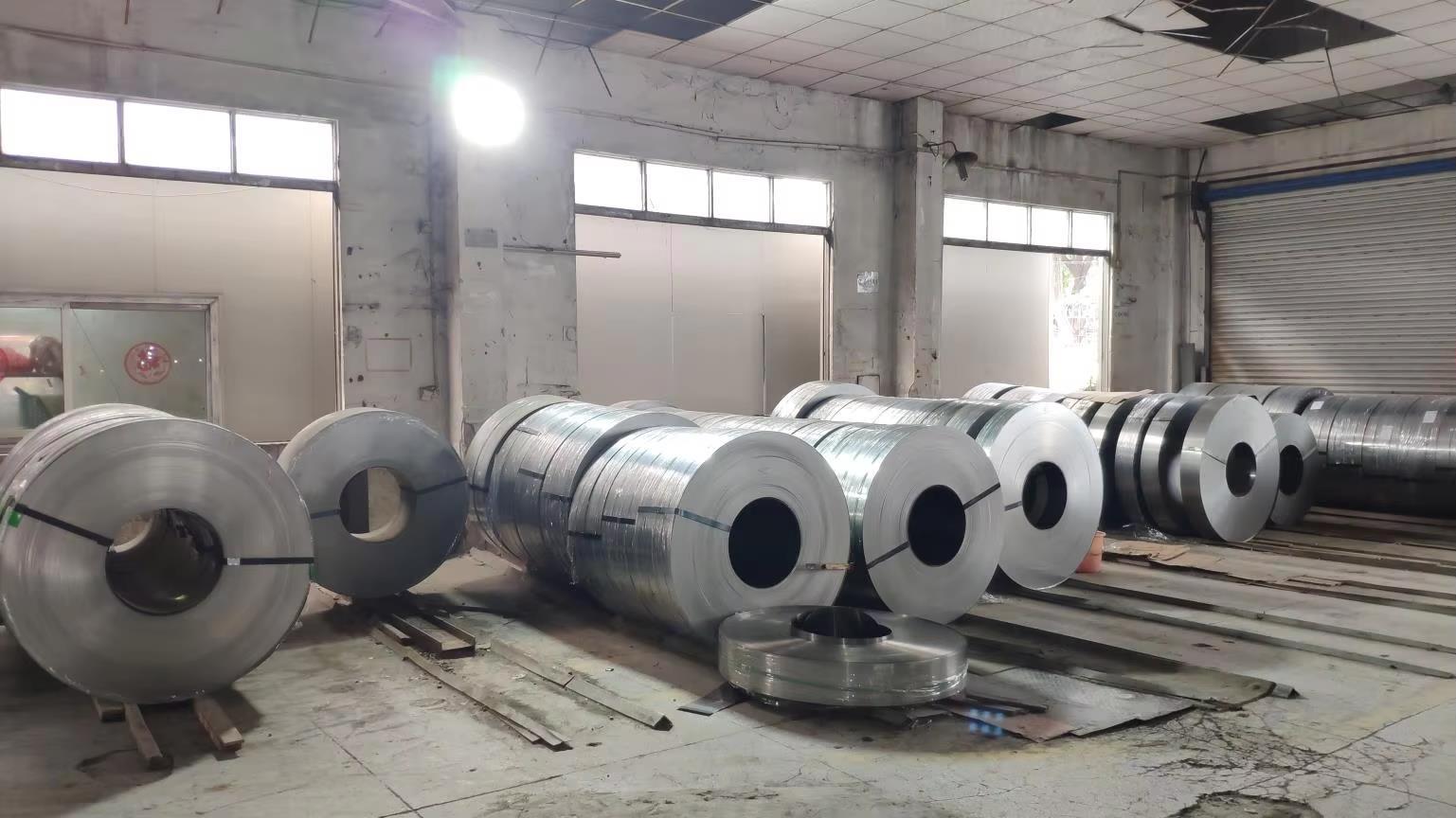
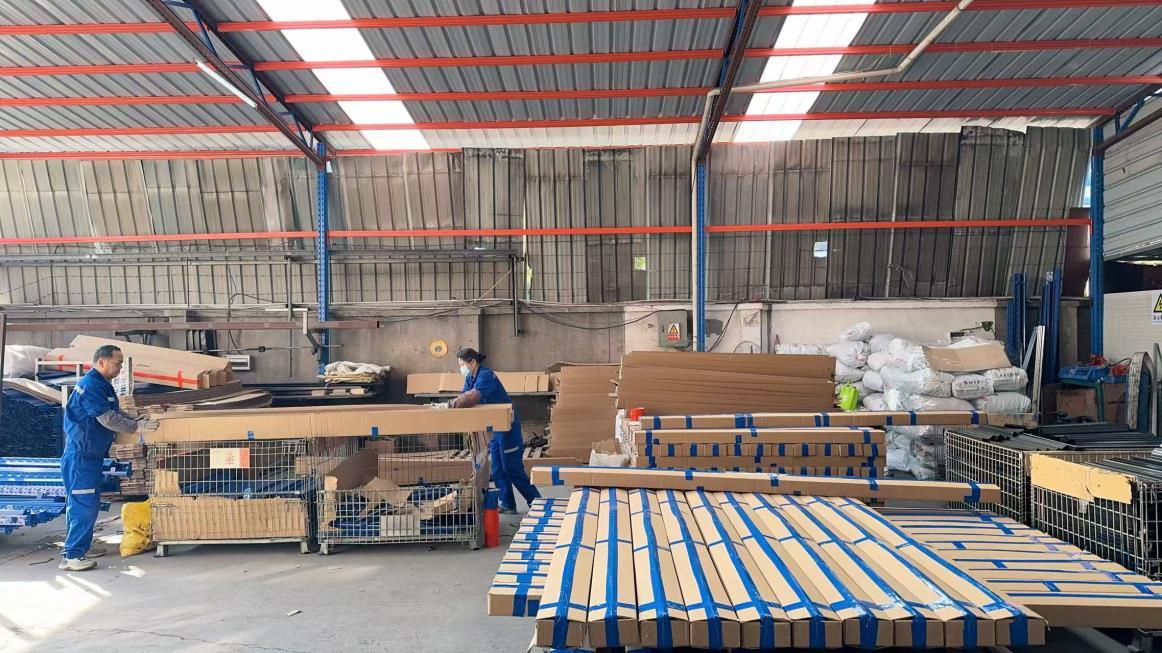
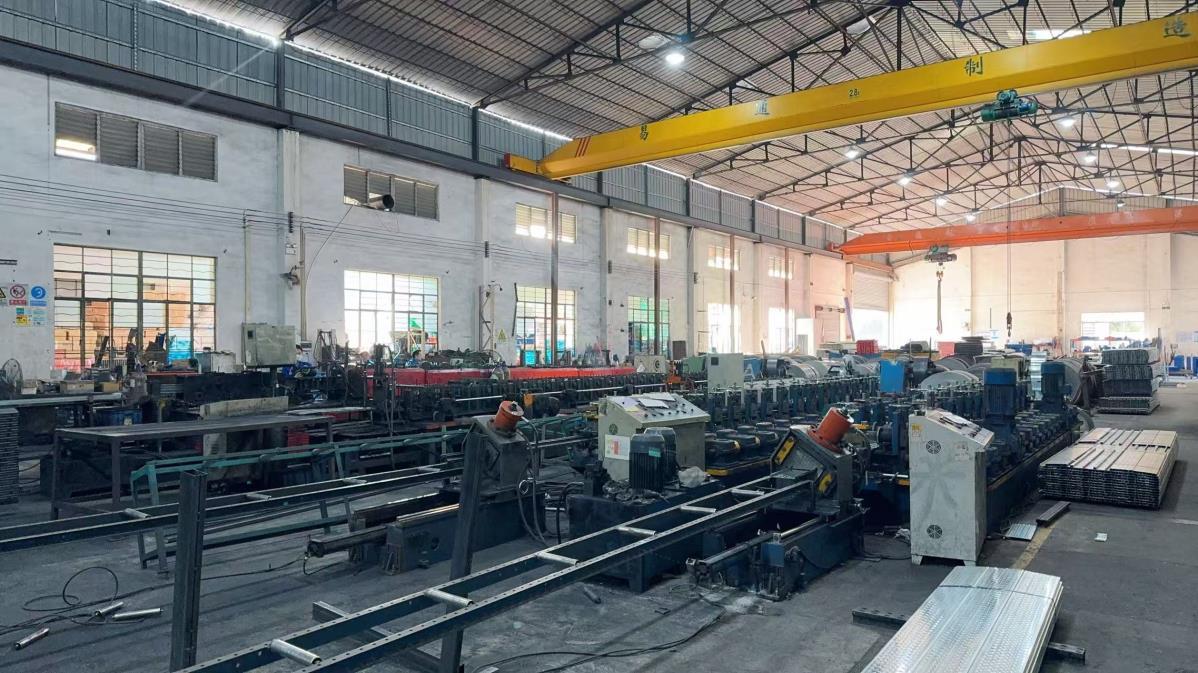
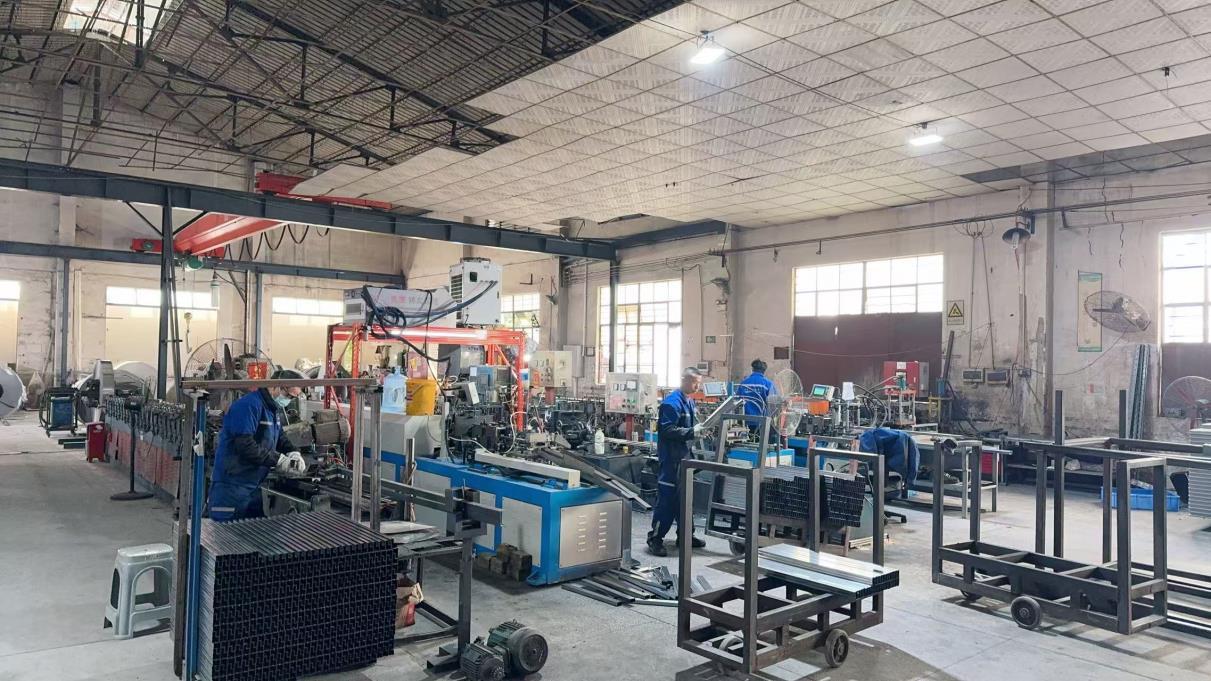
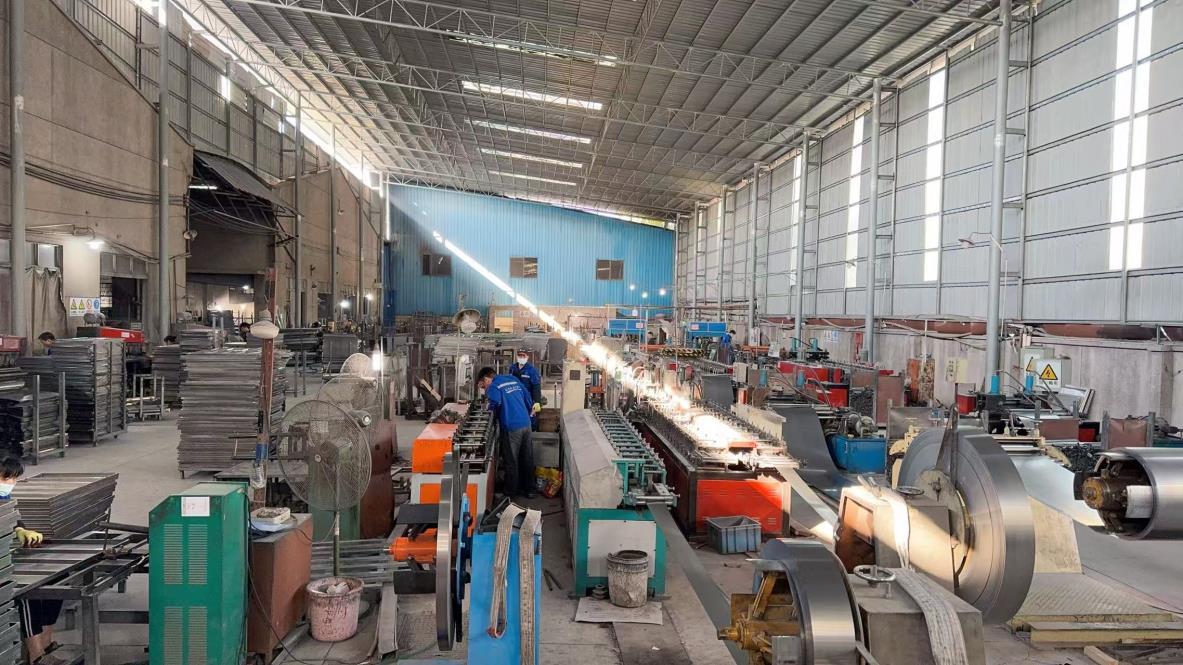
Operating a warehouse system in South Korea requires compliance with strict domestic regulations. Our steel pallets and storage racking components are engineered to align with Korean Industrial Standards (KS). Specifically, we follow the guidelines outlined in KS T 2002 (General Rules of Flat Pallets for Intercontinental Logistics) to ensure perfect compatibility with South Korea's logistics network.
Because Busan is located in a coastal seismic zone, local warehouses must verify the earthquake resistance of their racking systems. We coordinate with local structural engineers to design pallets and racks that can withstand seismic movements. Our products utilize premium raw steel and high-precision welds, which prevent buckling or structural failure under sudden seismic shifts. Additionally, all powder coatings comply with international environmental protection standards, ensuring low VOC emissions and food-safe contact surfaces suitable for cold chain fish and agricultural storage.
Our heavy-duty racking systems are deployed in various key logistics centers worldwide:
Technical responses regarding material specifications, local standards compliance, shipping to South Korea, and structural design capabilities.
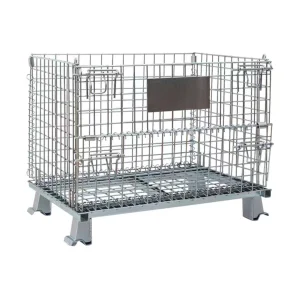
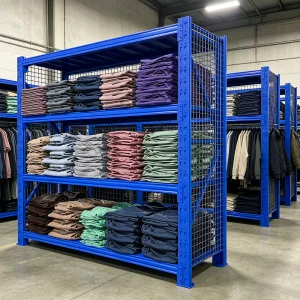
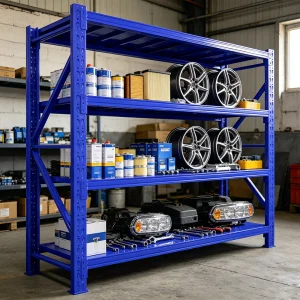
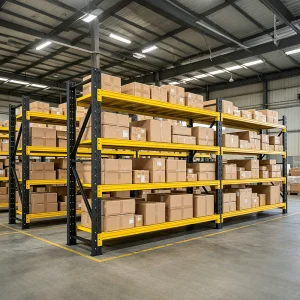
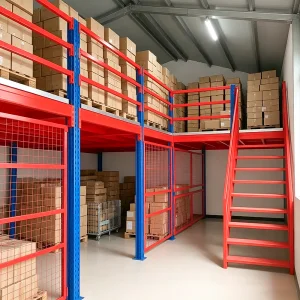
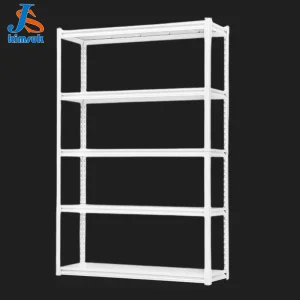
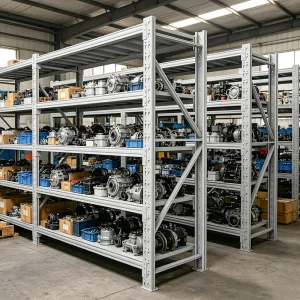
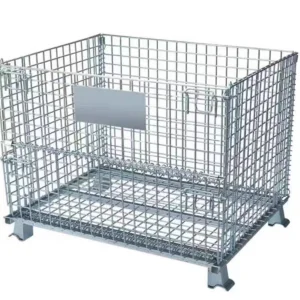
Select from our range of modular steel storage solutions, heavy-duty shelving, and wire mesh containers built for industrial warehouses.
Contact our sales and engineering team today to request custom CAD drawings, material safety datasheets, and direct factory pricing.
Send Inquiry Now Kimsuk Steel